LVT vs Carpet for Older Newark Homes: Which Suits Uneven Floors and Damp?
LVT vs carpet in older homes across Newark & the East Midlands. Real advice on uneven floors, damp, cost & comfort from your local flooring specialists.
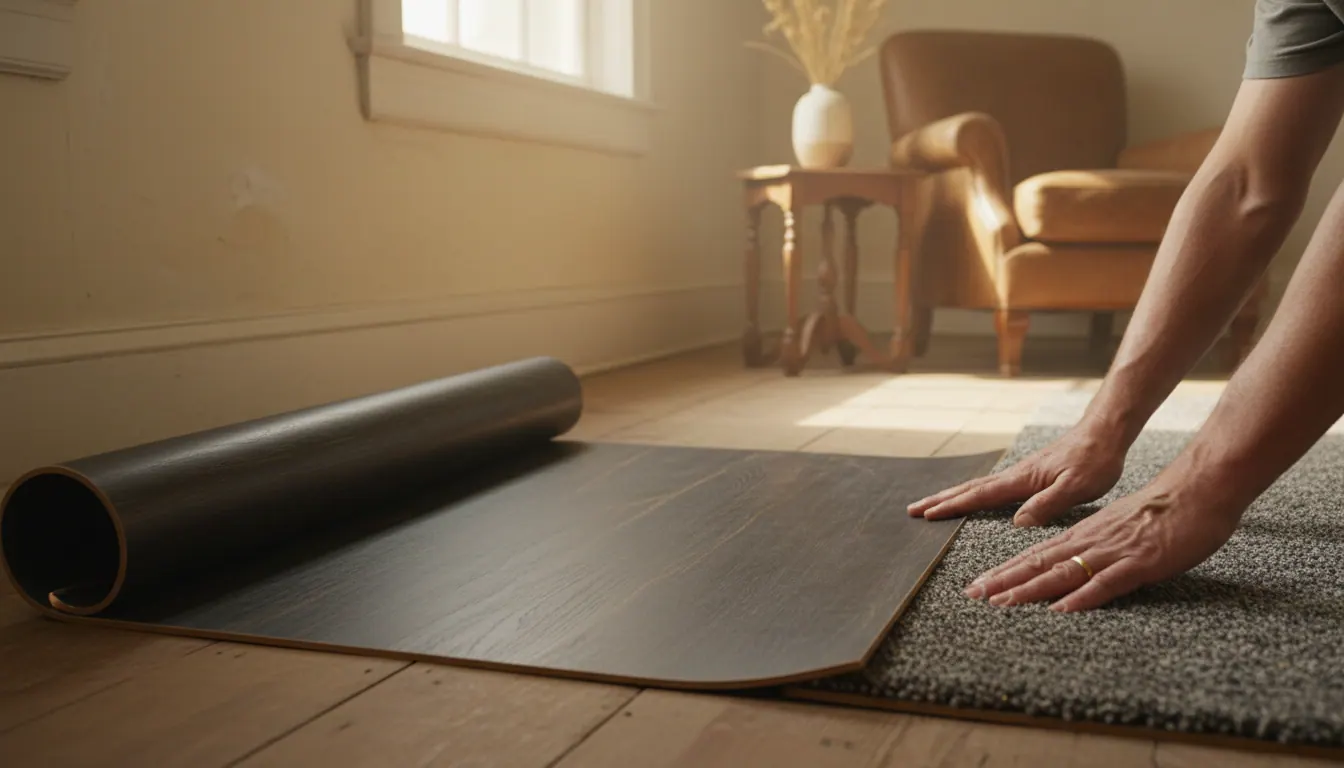
LVT vs Carpet in Older Homes: The Question We Get Asked Every Week
Older properties across Newark-on-Trent, Lincolnshire and Nottinghamshire have a lot going for them. Solid brick construction, generous room sizes, character features you simply cannot replicate in a new build. What they also have, more often than not, are uneven subfloors, the occasional damp issue, and rooms that have seen a dozen different flooring choices over the decades. When it comes to replacing that flooring, the decision almost always comes down to two options: LVT or carpet.
Both are excellent materials. But they behave very differently in an older home, and the right choice depends on the specific room, the condition of the subfloor, and how you actually live in your house. Here is what we tell customers across the East Midlands every single day.
Why the Subfloor Changes Everything in an Older Property
This is the detail that most flooring guides skip, and it is the most important one for anyone with a Victorian terrace, an Edwardian semi or a 1930s semi-detached in Newark or the surrounding villages.
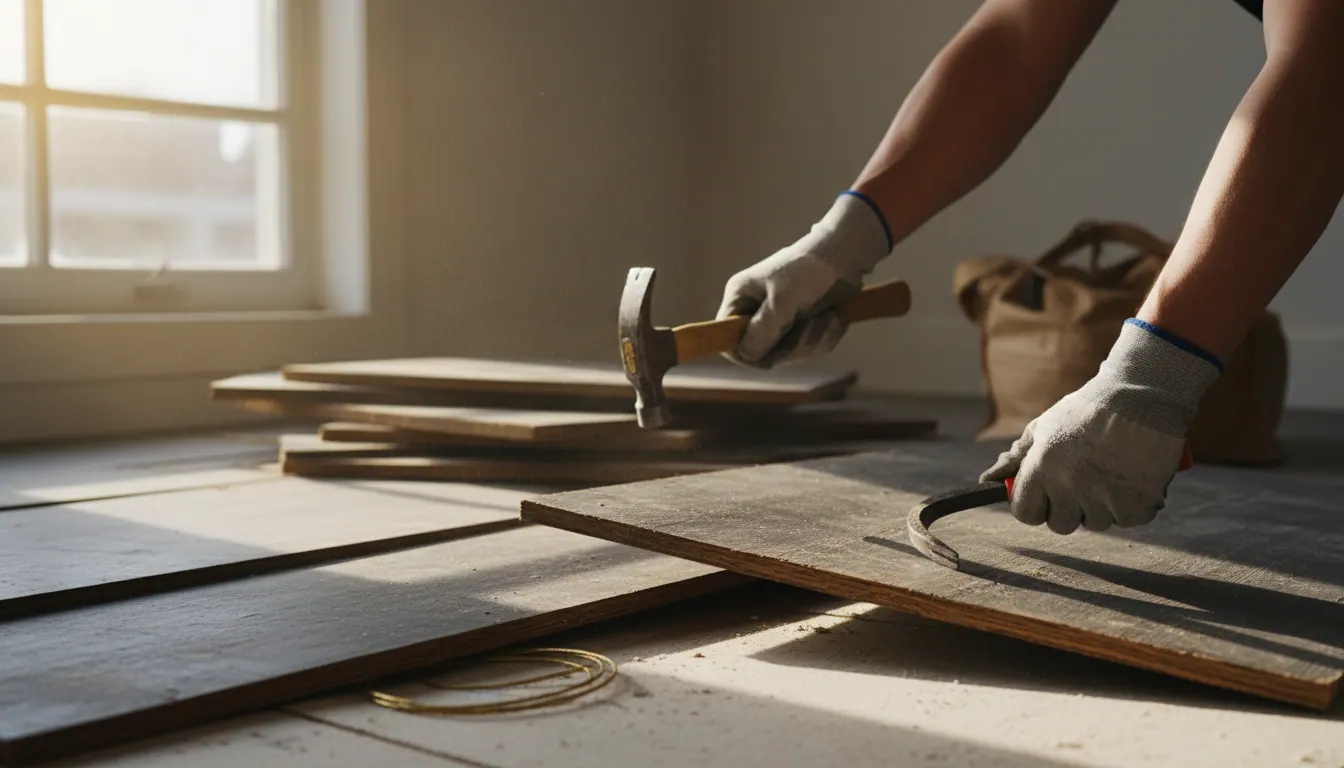
LVT is thin, typically between 2.5mm and 6mm. That thinness is one of its strengths, but it also means every ridge, dip or imperfection in the subfloor telegraphs straight through to the surface. Lay LVT over an uneven floor without proper preparation and you will feel every undulation underfoot within weeks. Worse, the planks or tiles can flex at the joints, the locking system can fail, and the finish looks poor.
Carpet is far more forgiving. The underlay absorbs minor irregularities, and a skilled fitter can work around a lot of surface variation. That said, carpet is not a fix for serious structural movement or active damp. It just hides those problems until they become worse.
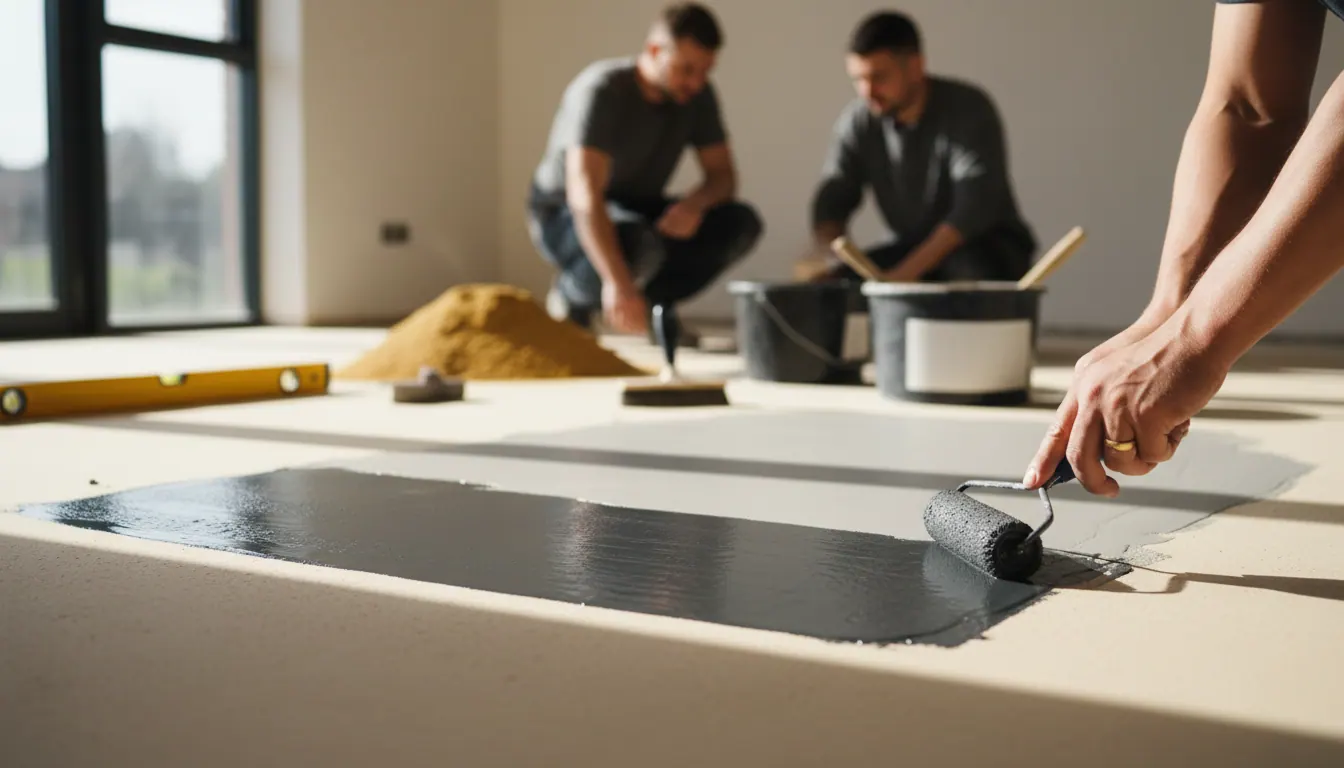
The honest answer: if your subfloor needs attention, both materials require preparation, but LVT demands it absolutely. We always assess the subfloor before we quote. If it needs latex screeding, levelling compound or a damp proof membrane, we say so upfront, because fitting expensive flooring over a compromised base is a waste of your money. You can read more about what that preparation actually involves in our guide to damp proof membranes and floor levelling in older Newark and East Midlands properties.
What LVT Does Well in Period Homes
Once the subfloor is sorted, LVT is genuinely hard to beat in many rooms of an older property. Here is why:
- Damp resistance. Older homes in Nottinghamshire and Lincolnshire often have solid floors with little or no original damp proofing. LVT is 100% waterproof through its core, meaning minor residual moisture from below will not cause the floor to buckle, swell or lift, provided a DPM has been installed where needed.
- Warmth underfoot (with the right underlay). A common concern is that hard floors feel cold. With a quality acoustic or comfort underlay, LVT feels far warmer than people expect, and it works well with underfloor heating systems.
- Authentic period looks. Herringbone and chevron LVT patterns suit older properties beautifully. A well-laid herringbone in an oak or stone effect can look genuinely at home in a Victorian hallway or a 1930s through-lounge. If you are curious about what that looks like in practice across the region, our article on herringbone LVT flooring in the East Midlands goes into the detail.
- Easy cleaning. One sweep, one mop. No allergens trapped in the pile. No staining from muddy boots or spilled drinks.
What Carpet Still Does Better
Carpet is not outdated. It remains the right choice for specific rooms and specific households, and we would rather give you an honest answer than push you towards one product.
- Bedrooms. Soft, warm underfoot first thing in the morning. Quieter. Better acoustic insulation between floors in a two-storey terrace.
- Rooms with very uneven floors where full levelling is not in the budget. A good carpet fitter with quality underlay can work with floors that would need significant preparation for LVT.
- Living rooms where warmth and comfort are the priority. If you are not worried about spills and you want that cosy feel through a Nottinghamshire winter, a well-chosen carpet still delivers it.
- Cost on a tight budget. A mid-range carpet with underlay is often cheaper per square metre than a quality LVT, and the fitting cost is comparable. If budget is the deciding factor, carpet frequently wins.
What Our Customers Have Found
Ian Coddington, a recent customer, had us work on a whole-bungalow project that involved exactly the kind of preparation older properties often need:
"Excellent, helpful, knowledgeable, hardworking guy. Nathan and his team went above and beyond for us and our project. They laid the DPM, self leveling and the flooring we requested. We chose 3 different coloured flooring for the whole bungalow and it was laid in a herring bone pattern throughout. We would definitely recommend them and already thinking of other family members and friends who would need some new flooring. Very reasonable price too. 5+* treatment for an average price. Thank you so much"
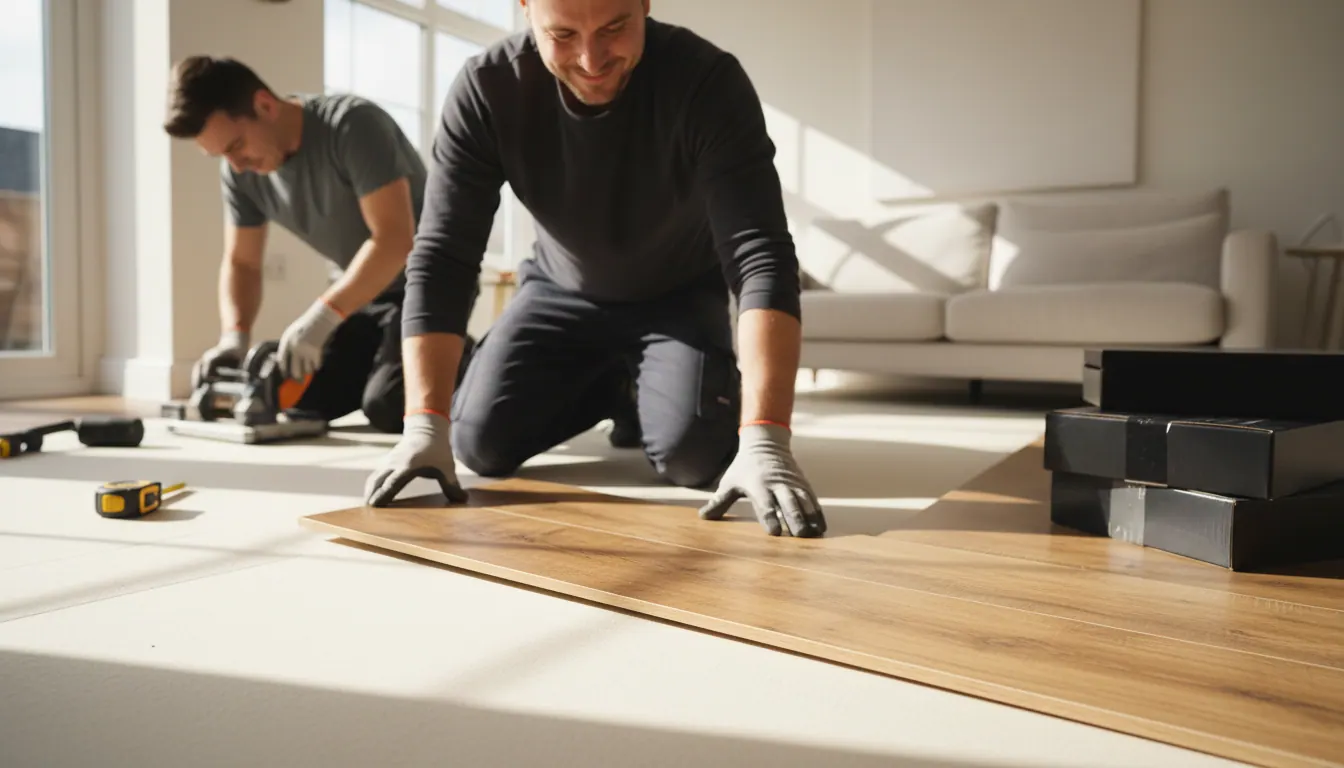
Ian's project is a good example of what a whole-home approach looks like in practice. DPM first, self-levelling compound to bring the subfloor to a consistent plane, then herringbone LVT throughout. Three colour choices across different zones of the bungalow, all cohesive. That level of preparation is what makes the finished floor last.
Room-by-Room Guidance for Older East Midlands Homes
Every room has different demands. Here is a straightforward breakdown:
Hallways and kitchens: LVT almost every time. These are the highest-traffic, highest-moisture areas in any home. Carpet in a hallway shows dirt quickly and wears unevenly. Carpet in a kitchen is a genuine hygiene problem.
Living rooms: Either works well. LVT gives a cleaner, more modern look and is easier to maintain. Carpet gives warmth and softness. If you have young children or pets, LVT is easier to keep clean. If the room is a quiet retreat used mainly by adults, carpet is a perfectly sensible choice.
Bedrooms: Carpet remains the most popular choice, and for good reason. Soft underfoot, warm, quiet. LVT in a bedroom is not wrong, especially if you want a consistent look throughout the house, but comfort tends to win in sleeping spaces.
Dining rooms: LVT. Food and drink spills are inevitable. A wipe-clean surface makes far more sense.
Conservatories and extensions: LVT, with attention to temperature fluctuation. Conservatories can get very warm in summer and cold in winter. Choose a quality LVT with a stable core and ensure the subfloor is level and dry.
LVT vs Carpet: Cost in Newark and the East Midlands
People often search for a direct price comparison, so here is an honest picture.
LVT costs more per square metre than carpet at equivalent quality levels. The preparation work (levelling, DPM) adds to the upfront cost. However, LVT typically lasts longer, requires less maintenance and does not need replacing as frequently. Over ten years, the total cost of ownership can be comparable.
Carpet has a lower entry cost and can look and feel excellent with a quality underlay. The trade-off is that it shows wear in high-traffic areas sooner, and replacing a worn carpet in five years can cost more in the long run than investing in LVT at the outset.
We offer free home measures and quotes across Newark-on-Trent, Nottinghamshire, Lincolnshire and Leicestershire. We bring samples to your house so you can see them in your own light, against your own walls. We also offer flexible payment options, which makes the decision easier if you want to invest in the better material but need to spread the cost.
Frequently Asked Questions
What is the best flooring for an older home with uneven floors? It depends on the room. LVT is an excellent long-term choice, but it requires proper subfloor preparation first. Latex screeding or levelling compound brings the surface to a consistent plane, and a DPM addresses any residual moisture. Carpet with quality underlay is more forgiving of minor variation, but it is not a solution for significant structural issues. We assess the subfloor as part of every free quote.
Is carpet outdated in 2026? No. Carpet is still the right material for bedrooms, living rooms and anywhere warmth and comfort are priorities. What has changed is where people choose it. Hallways, kitchens and open-plan living areas have largely moved to LVT or hard flooring. Carpet in the right room, fitted properly with a good underlay, looks and feels excellent.
What are the disadvantages of LVT flooring in older properties? The main one is subfloor sensitivity. LVT is unforgiving of uneven or damp subfloors, so preparation costs more upfront. It can also feel harder underfoot than carpet, though a good underlay reduces this significantly. In very old properties with significant floor movement or structural issues, LVT joints can occasionally show stress over time. Proper installation, including the right adhesive or click system for the subfloor type, prevents most of these problems.
Do buyers prefer carpet or LVT in bedrooms? Buyer preferences vary, but soft flooring in bedrooms remains popular because it feels warmer and quieter. That said, a well-fitted LVT in a herringbone or plank format appeals strongly to buyers looking for a low-maintenance, contemporary finish. If you are renovating to sell, a consistent LVT throughout living areas with carpet in bedrooms tends to present well across the widest range of buyers.
Ready to Choose the Right Flooring for Your Home?
If you have an older property in Newark-on-Trent, across Nottinghamshire, Lincolnshire or Leicestershire and you are weighing up LVT against carpet, the best starting point is a conversation in your own home. We come to you, assess the subfloor, bring samples and give you a clear, honest quote with no pressure.
Get in touch with us today and we will arrange a free home measure at a time that suits you.
“Nathan and team provided an exceptional service and a high quality flooring finish. Despite the difficulties with the under flooring they were professional, knowledgeable and dedicated to ensuring they completed the job. Would highly recommend for anyone wanting flooring done.”